
By Brad Miller
Chief Compliance/Regulatory Officer
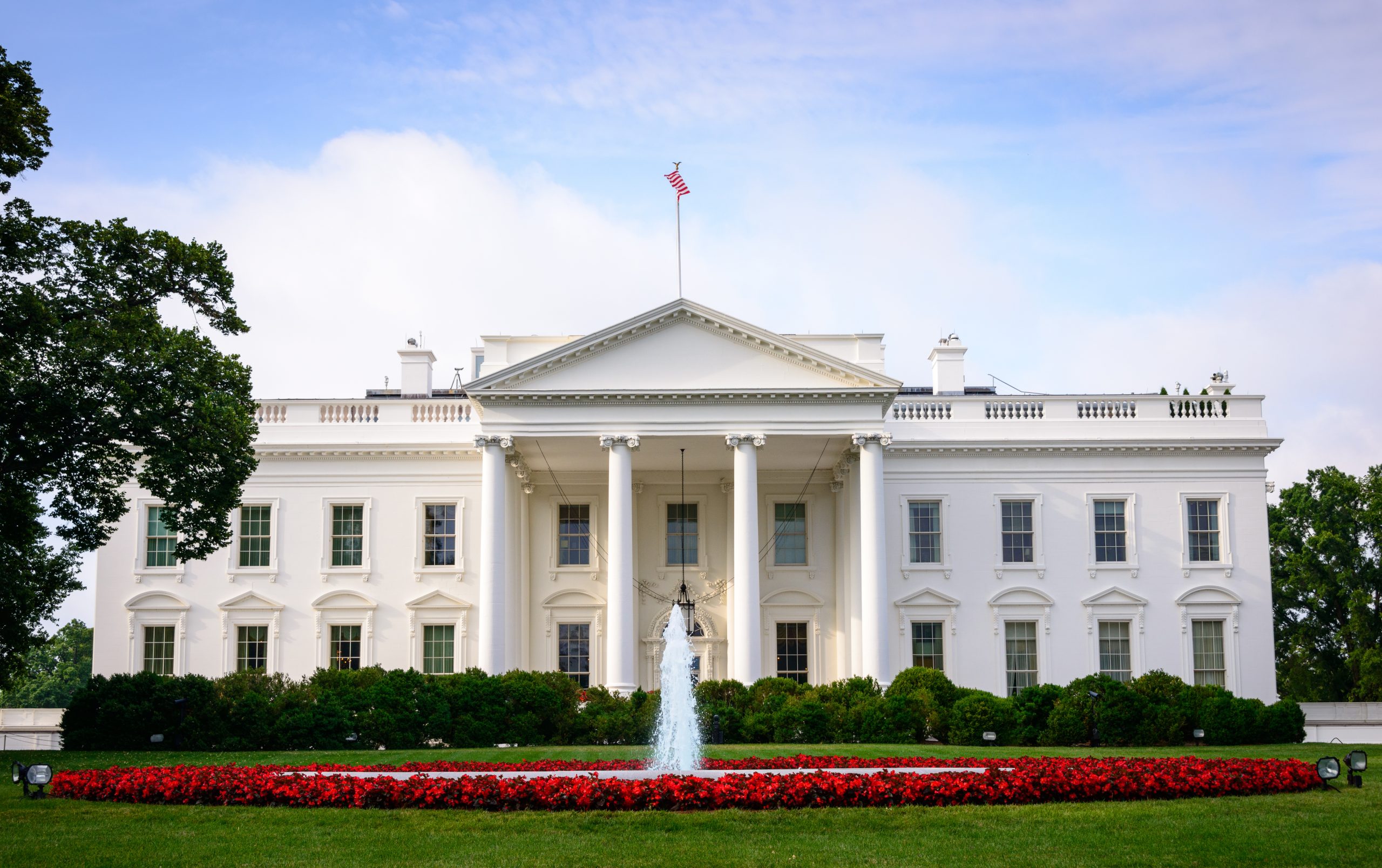
The recent presidential election results signal a clear shift toward a deregulatory environment at the federal level, with the new administration announcing, for example, an ambitious goal of eliminating ten regulations for every new one implemented. However, dealers should not expect this broader federal deregulatory agenda to necessarily translate into reduced enforcement activity at either the federal or state level in the short to medium-term.
Federal Trade Commission (”FTC”) – Commission Structure and Transition
The FTC is dealers’ primarily federal consumer protection regulator, and while it will change due to the election, its structure plays a crucial role in how quickly policy changes can be implemented. The Commission consists of five commissioners, and following the presidential transition, the Commission will eventually shift to a Republican majority, with three Republican commissioners and two Democratic commissioners. However, this transition requires the Presidential nomination of a new commissioner and confirmation of that nominee by the Senate. This is likely to be a process that will take at least several months.
Until this process is complete, the existing commission structure and priorities remain in place, meaning any significant policy shifts may take months to materialize. While it is possible that the current Chairperson, Lina Khan, will leave fairly soon after the inauguration, that could mean a 2-2 split that could last for months and would likely hinder any broad action by the Commission.
Fate of the FTC CARS Rule
The FTC’s proposed Vehicle Shopping Rule (CARS Rule) faces ongoing legal challenges, but the impact of the new administration remains uncertain. While changes in FTC leadership could affect the rule’s final form, several factors suggest continued robust enforcement in the auto dealer space.
First, the FTC’s consumer protection initiatives traditionally garner stronger bipartisan support than its antitrust efforts, which are likely to be the primary focus of political attention under the new administration. The focus on antitrust issues may use up all the political “oxygen” – making quick action less likely. It’s also important to recall that the CARS Rule largely codifies existing restrictions and requirements rather than creating entirely new obligations for dealers. Therefore, even if the Rule is delayed or overturned, it will not necessarily impact enforcement activity at the federal or state levels.
It is also a different challenge to overturn a final rule than to terminate proposed rules. That means that proposed rules such as the Junk Fee Rule are perhaps more easily (and more likely) to be abandoned in the new administration than an existing rule like the CARS Rule.
State-Level Enforcement Trends
Perhaps more significantly, state-level enforcement actions against auto dealers have increased markedly over the past 12-18 months. This trend shows no signs of abating, with state attorneys general demonstrating strong bipartisan cooperation in addressing dealer practices, particularly in two key areas – (a) price advertising compliance, and (b) finance and insurance practices, especially regarding the sale of add-on products.
These actions have been brought by states of all political persuasions, and have broad bipartisan support in many states. These are likely to continue and indeed could intensify if state regulators feel that the federal efforts are limited or likely to be abandoned.
Implications for Auto Dealers
While the new administration’s deregulatory stance may eventually impact the broader regulatory landscape, dealers should maintain robust compliance programs because state-level enforcement actions are likely to continue or increase, independent of federal policy shifts. Moreover, existing federal regulations and enforcement priorities will remain in effect during any transition period, and the core consumer protection aspects of dealer regulation enjoy bipartisan support at both state and federal levels.
Conclusion
While the eventual Republican majority at the FTC suggests a more business-friendly approach to regulation, the transition period and confirmation process mean any significant policy shifts will take time to implement. Meanwhile, the combination of sustained state-level enforcement and bipartisan support for consumer protection measures suggests that regulatory scrutiny of dealer practices will continue regardless of broader policy shifts at the federal level.
Dealers would be well-advised to maintain strong compliance programs and stay current with both state and federal requirements, even as the regulatory landscape evolves under the new administration. The costs of non-compliance remain significant, and enforcement actions show no signs of decreasing in the near term.