
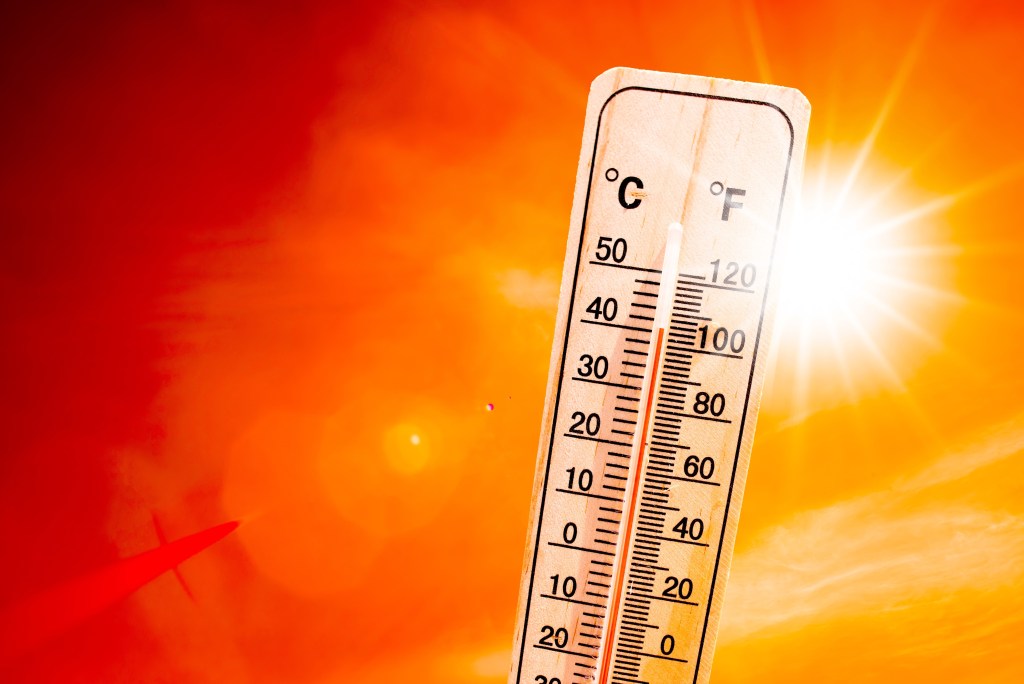
What Is the Heat National Emphasis Program (NEP)?
The Heat NEP directs OSHA inspectors to proactively target high-hazard industries for heat-related inspections — not just respond to complaints. That means an OSHA compliance officer can show up for a programmed inspection on any day that the National Weather Service (NWS) has issued a heat warning or advisory for the local area, even if there has been no incident or complaint.
Inspectors can also expand any ongoing inspection to include heat hazards if they observe conditions suggesting workers may be at risk — things like employees working in a hot service bay without adequate water access, ventilation, or rest breaks.
Which Dealerships Are Directly Targeted — and Which Are Not
On April 10, 2026, OSHA issued a revised National Emphasis Program (NEP) for heat-related hazards, effective immediately. The update replaces the 2022 version and arrives as OSHA continues to advance a formal heat injury and illness prevention rulemaking that has been in development since 2024. The NEP’s target industry list includes NAICS 8111 (Automotive Repair and Maintenance) and NAICS 4412 (Other Motor Vehicle Dealers), which covers used car dealers, RV dealers, and motorcycle dealers.
Franchised new car dealerships — classified under NAICS 4411 — are not on the NEP’s programmed target list. That distinction matters: OSHA Area Offices generate their inspection lists from the NAICS codes in the NEP appendix and 4411 is not among them. But the line between 4411 and 8111 is not always as clean as it looks on paper, and dealer groups should think carefully about how their service operations are structured.
NAICS codes are assigned at the establishment level — meaning a single physical location — based on the primary business activity conducted there. A franchised dealership operating sales and service under one roof at one address will typically carry 4411 across the board. The 8111 classification remains relevant to dealers, however. A service center at a separate address is the clearest case: if a dealer group operates a collision center, express lube facility, or standalone service building on a different parcel, that location is a distinct establishment for NAICS purposes and is likely coded 8111, particularly if vehicle sales do not occur there. The practical takeaway for dealer groups: any separately addressed service facility — collision, quick lube, fleet service, or otherwise — should be checked against how it is registered, and dealers should assume those locations are 8111 targets under the NEP.
Even for dealers operating a single integrated location under NAICS 4411, being off the target list only limits programmed inspection exposure. OSHA can still open a heat inspection at any worksite based on a complaint, a referral, or hazardous conditions observed during an inspection opened for another reason. The absence from the target list reduces the likelihood of a proactive inspection. It does not reduce liability if something goes wrong.
What OSHA Inspectors Will Be Looking For
OSHA currently has no heat-specific standard for general industry. Heat violations are cited under the General Duty Clause, Section 5(a)(1) of the OSH Act, which requires employers to provide a workplace free from recognized hazards likely to cause death or serious physical harm. The updated NEP includes detailed citation guidance to help inspectors build these cases.
When OSHA conducts a heat inspection, inspectors are required to assess whether the employer has a functioning heat illness prevention program. The directive lays out the specific evaluation framework. Inspectors will ask:
- Is there a heat program — written or verbal — that has been communicated to employees?
- How does the employer monitor temperatures and work exertion levels?
- Is cool water readily accessible in sufficient quantities?
- Are there scheduled rest breaks and access to shaded or cooled areas?
- Does the employer provide acclimatization time for new hires and workers returning from extended leave?
- Have employees and supervisors received training on recognizing and responding to heat illness?
- Is a designated heat safety representative managing the program?
Inspectors will also review OSHA 300 Logs and 301 Incident Reports for any recorded heat-related illnesses, interview workers, and document environmental conditions, including heat index readings from the OSHA-NIOSH Heat Safety Tool App.
Key Dates and Thresholds
- Heat Priority Day: any day the heat index is expected to reach 80°F or higher
- Warning Level: heat index between 80°F and 94°F
- Danger Level: heat index of 95°F or higher
- Heat-related fatalities have occurred even below the 80°F threshold, particularly when workers are unacclimatized or performing strenuous work
The NEP is operative for up to five years from the April 10, 2026, effective date.
What Dealers Should Do Now
The NEP’s evaluation checklist in Appendix I is effectively the inspection scorecard. Use it as your baseline for a program review before summer arrives.
Immediate steps:
- Assess your service bay and outdoor work areas for heat exposure risk during high-heat conditions. Document your assessment.
- Put a heat illness prevention program in writing — even a straightforward written program is better than a verbal one when an inspector asks for documentation.
- Train service advisors, technicians, lot staff, and detail crew on heat illness recognition and first aid. Include supervisors.
- Make cool water accessible at or near work areas — not just in the break room. OSHA expects water that is easily reachable during the workday.
- Establish an acclimatization plan for new hires and returning employees, particularly at the start of summer.
- Designate a heat safety contact who can field employee concerns and manage program implementation.
- Check your OSHA 300 Log for any past heat-related entries that could flag your location for a follow-up inspection.
The Bigger Picture
The Heat NEP sits alongside OSHA’s pending heat rulemaking, which would create a federal heat injury and illness prevention standard for the first time. Once finalized, that rule would replace the General Duty Clause as the enforcement vehicle for heat violations and would likely impose more detailed program, training, and monitoring requirements. Dealers who build a solid heat program now will be better positioned for what comes next.
ComplyAuto Safety Can Help
As OSHA sharpens its focus on heat-related enforcement, dealerships should take a proactive approach to workplace safety. ComplyAuto Safety is built to help automotive dealerships stay ahead of OSHA enforcement priorities with a comprehensive compliance platform covering everything from training and inspections to documentation, reporting, and more.
Contact us to learn more about how our workplace safety compliance platform can support your team.