EHS & OSHA

EHS & OSHA

New OSHA Flood-Safety Guidance: What It Means for Your Dealership

Severe storms in the Midwest have led to flash flooding, highlighting the dangers of post-flood cleanup for dealerships. OSHA’s guidance emphasizes protective measures, safe lifting practices, and electrical safety to protect employees from hidden hazards in floodwaters.

New OSHA Flood-Safety Guidance: What It Means for Your Dealership Read Post »

EHS & OSHA

Safe + Sound Week 2026: A Simple Way to Strengthen Your Dealership’s Safety Program

OSHA’s Safe + Sound Week, occurring August 10-16, 2026, promotes workplace safety. The event encourages businesses to implement safety programs, address hazards proactively, and utilizes management-led initiatives with worker participation for healthier work environments.

Safe + Sound Week 2026: A Simple Way to Strengthen Your Dealership’s Safety Program Read Post »

EHS & OSHA

Use the Jack Stands, Every Time

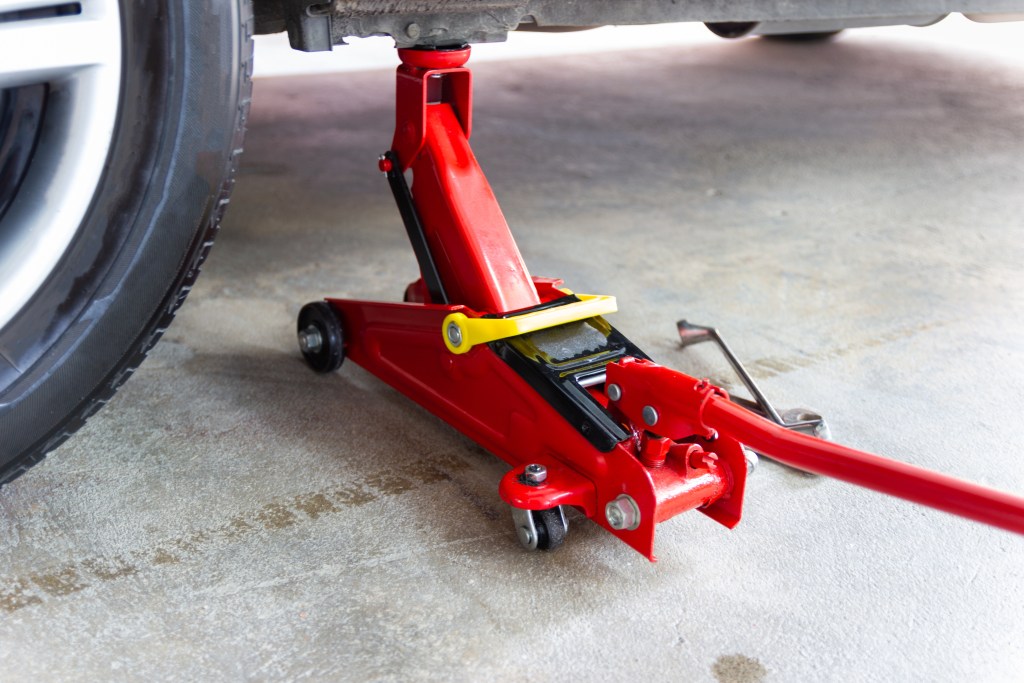
Last year in Ashland, Oregon, a service technician was killed by a mistake that can happen to dealership service employees: getting under a vehicle that’s up on a jack with nothing else holding it. The tech had the axles up on a bottle jack, put nothing under the load, and was crushed when it came down. OSHA found no blocks, no cribbing, no stands. Just the jack. Technicians work off lifts most of the day, but the jack still comes out for mobile calls, and the moment one of them gets under a load on a jack alone, this is the risk they’re taking.

Use the Jack Stands, Every Time Read Post »

EHS & OSHA

What OSHA’s $174K Settlement Means for Dealership Service Departments

On July 13, 2026, the U.S. Department of Labor settled with Monro Inc. over safety violations, imposing a $174,000 fine. The company must correct hazards and establish a hotline for reporting safety issues, emphasizing the importance of consistent safety practices across locations.

What OSHA’s $174K Settlement Means for Dealership Service Departments Read Post »

EHS & OSHA

Tier II Reporting: Why It Matters and How Dealerships Can Prepare

Tier II reporting enhances community safety by ensuring emergency responders know about hazardous chemicals stored by businesses. Under EPCRA, various businesses, including dealerships, must report chemical inventories. Compliance requires careful tracking and preparedness throughout the year, ensuring accurate submissions when needed.

Tier II Reporting: Why It Matters and How Dealerships Can Prepare Read Post »

EHS & OSHA

A New Hazard in the Repair Facility: Understanding Lithium-Ion Battery Fire Safety

The rapid adoption of electric vehicles (EV) has given lithium-ion batteries a new level of scrutiny. OEMs are now more hands-on in their approach to understand, and sometimes influence, how dealerships across the country manage these heavy battery packs safely and efficiently. Most don’t realize that these alternative sources of energy in the service department is not a novel concept because they have long been a familiar presence in your service bays in the form of an electric forklift, electric pallet jack, golf cart, and even ride-on floor scrubber. This article will identify this unique hazard and discuss what dealerships can do today to mitigate their risk of these types of emergencies in their repair facility. 

A New Hazard in the Repair Facility: Understanding Lithium-Ion Battery Fire Safety Read Post »

EHS & OSHA

National Safety Month Week 4: Preventing Slips, Trips, and Falls in Your Dealership

National Safety Month highlights preventing slips, trips, and falls in dealerships, where such incidents occur frequently. OSHA guidelines stress maintaining clean, hazard-free environments and training employees on fall risks to ensure safety.

National Safety Month Week 4: Preventing Slips, Trips, and Falls in Your Dealership Read Post »

Scroll to Top